
Victoria is the only state in Australia which has “termite declared” areas. Why is this? What does termite declared mean? And what should you do to protect your home from termites?
Probably best to start with a definition…
Definition of a termite declared area
In Victoria, local councils determine whether a particular suburb is “termite declared”. A termite declared area is an area where it has been determined that termites pose a significant threat to buildings. As a result, new buildings are required to incorporate termite protection measures during construction.
What are the implications of living in a termite declared area?
If you live in a termite declared suburb, you need to follow specific building regulations when building new homes or carrying out extensions or renovations. Termite protection measures need to be installed according to Australian Standards AS3660.1.
Why we believe the concept of “termite declared” areas is meaningless…
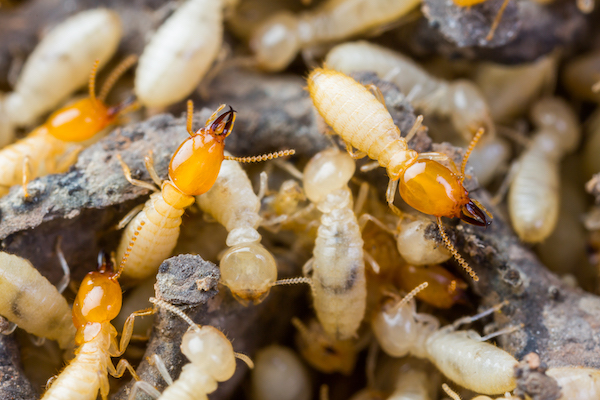
At the end of the day, termites are found throughout mainland Australia. It is quite bizarre that Victoria is the only state that still has areas that are not “termite declared”. The idea that one postcode is termite declared and a neighbouring postcode is not termite declared is simply nonsense – nobody has told the termites they can only eat houses in certain suburbs!
What should you do?
If you live in Victoria, you should assume that your home is under continuous threat of termite attack. CSIRO estimate that 80% of all homes are within 25 m of a termite nest and that 1 in 5 properties will be attacked by termites at some point.
So, if you’re building a new property or extension, or carrying out renovations, you should take all necessary steps to ensure the property is protected from termite attack. In areas which haven’t been “termite declared” there is no requirement for the builder to install these protection measures during construction … but insist on protection! It’s your home and the threat is very real!
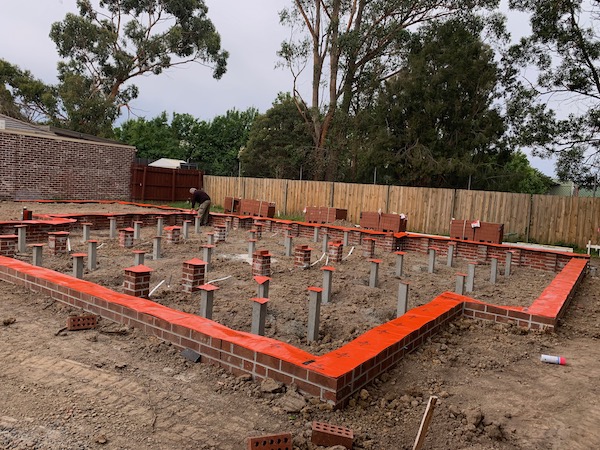
It is always best to contact a termite professional (rather than a builder) for advice on termite protection before starting your project. Some builders will make recommendations to keep the costs down, whereas termite professionals will make the best recommendation to protect your home. As the owner, you can then make an informed decision about what to do.
For homeowners of existing properties, which may or may not have termite protection measures in place, annual termite inspections are the minimum requirement. Depending on the findings of the termite inspection, it is probable that a termite treatment would be required to protect the property from termite attack. With termite attack being more likely than fire, flood and natural disaster combined, and termite damage not covered by standard home insurance, a termite treatment is the best insurance policy to protect your most valuable asset.
Melbourne metropolitan termite declared suburbs:
Here’s a list of the metropolitan council areas and whether or not they are “termite declared”:
Termite declared areas
- Banyule
- Cardinia
- Casey
- Frankston
- Glen EiraHume
- Kingston
- Knox
- Manningham
- Maroondah
- Monash
- Mornington Peninsula
- Nillumbik
- Port Phillip
- Whitehorse
- Wyndham
- Yarra Ranges
Partially termite declared (only some suburbs?!)
- Hobsons Bay
- Melbourne
Not Termite Declared!
- Bayside
- Darebin
- Greater Dandenong
- Maribyrnong
- Melton
- Merri-bek
- Moonee Valley
- Stonnington
- Whittlesea
- Yarra City
Individual councils can review their termite declared areas, so it’s worth checking with your local council to confirm the latest status.